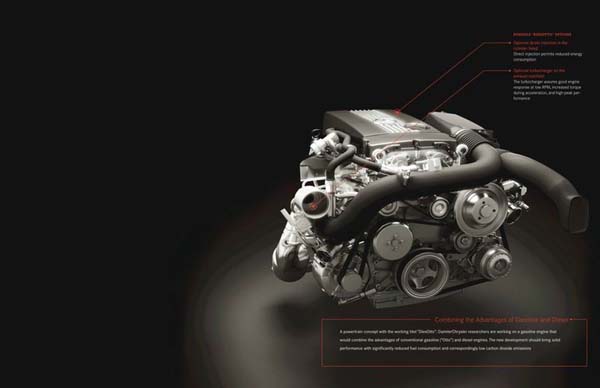
Mercedes-Benz DiesOtto: Βενζινοκινητήρας με αρετές ντίζελ;

gallery-cityauto.jpg


H εξέλιξη των ειδών δεν είναι πάντοτε η αναμενόμενη. Με το ποσοστό των diesel αυτοκινήτων να έχει φτάσει στο 50% των αγορών των ευρωπαίων, δεν είναι λίγοι, μεταξύ αυτών και εγώ, που πιστεύουν πως το 2007 ήταν η χρονιά του και από δω και στο εξής η κατάσταση θα αντιστραφεί.
     Υπάρχουν εκτιμήσεις πως μέχρι το 2020 το ποσοστό θα συρρικνωθεί στο 15%, με την πλειοψηφία των οδηγών να βρίσκεται πίσω από το τιμόνι ενός αυτοκινήτου, που με τον έναν ή τον άλλον τρόπο καίει βενζίνη.  

   Το πρόβλημα εντοπίζεται σε δύο τομείς. Πρώτον οι ντιζελοκινητήρες έχουν φτάσει προ πολλού τα όρια εξέλιξής τους, από πλευράς απόδοσης, ενώ τα τελευταία χρόνια έλυσαν και το πρόβλημα των ρύπων τους. Δεύτερον οι βενζινοκινητήρες, μετά από χρόνια στασιμότητας εξελίσσονται σήμερα με ξέφρενους ρυθμούς με αποτέλεσμα να φτάνουν τις αποδόσεις των diesel, χωρίς κανένα από τα προβλήματα ρύπων. Αυτό όμως που ρίχνει το diesel έναντι της βενζίνης είναι το κόστος. Γιατί ενώ κάποτε τη διαφορά τιμής αγοράς την επέστρεφε το diesel με τη μειωμένη του κατανάλωση, τώρα ένα βενζινοκίνητο αυτοκίνητο καίει εξίσου λίγο, ενώ πλέον δεν υστερεί σε απόδοση. Και με το τούρμπο να είναι ο καλύτερος φίλος και της βενζίνης πια, τα βενζινοκίνητα αυτοκίνητα έχουν αποκτήσει και το μοναδικό χαρακτηριστικό στο οποίο υπερτερούσαν τα diesel, τη ροπή. Θετικότερο είναι επιπλέον πως ακόμη βρισκόμαστε στην αρχή της εξελικτικής επανάστασης του βενζινοκινητήρα. Το downsizing με τη χρήση τούρμπο ήταν στα προσεχώς μόλις πέρσι και πλέον παίζεται σε όλα τα σινεμά. Στις διαφημίσεις φέτος βλέπουμε ήδη τι θα έρθει στις αίθουσες του χρόνου. Κινητήρες ακόμη πιο οικονομικοί σε καύσιμο, ακόμη πιο φιλικοί στο περιβάλλον και πιο σημαντικό, στις ίδιες τιμές με αυτούς που θα αντικαταστήσουν.

   Σ’ αυτήν την εξελικτική πορεία η Mercedes, όπως και η VW με κάποιες διαφορές νωρίτερα, έδειξε έναν από τους πρώτους ερμαφρόδιτους κινητήρες. Ερμαφρόδιτος γιατί με εξαίρεση το καύσιμο, που είναι βενζίνη, το μοτέρ αυτό, με το αρμόζον όνομα DiesOtto, κάνει χρήση και των δύο θερμοδυναμικών κύκλων, του Diesel και του Otto. Με το μπουζί να αναφλέγει την άμεσα ψεκαζόμενη βενζίνη με τον υπερσυμπιεσμένο αέρα στο θάλαμο όταν υπάρχει πλήρης φόρτιση, λειτουργεί σαν κλασικό Otto, όπως ένας TFSI. Σε συνθήκες χαμηλού φορτίου το μπουζί σβήνει και το μείγμα αυταναφλέγεται υπό έλεγχο από τη συμπίεση που αλλάζει ώστε να δημιουργήσει τις συνθήκες, ακριβώς με τον ίδιο τρόπο που λειτουργεί κάθε αυτοκίνητο diesel. H μόνη διαφορά είναι στο καύσιμο, που παραμένει βενζίνη, ευνοώντας έτσι τους ρύπους που στερούνται σωματιδίων και άρα ανάγκης κατακράτησής τους με πολύπλοκες μεθόδους, όπως ο ψεκασμός ουρίας του συστήματος BlueTec, επίσης της Mercedes.

Ο κινητήρας αυτός αποδίδει 238 ίππους και 400Nm ροπής από μόλις 1,8 λίτρα. Σε συνδυασμό με τεχνολογίες τύπου start-stop και φόρτισης της μπαταρίας κατά την πέδηση, ένα αυτοκίνητο μεγέθους S-Class με αυτόν τον κινητήρα θα χρειάζεται κάτω από 6 λτ./100χλμ. Δεδομένου πως οι αυτοκινητοβιομηχανίες βλέπουν πια στο δωμάτιο τον ελέφαντα που λέγεται φαινόμενο του θερμοκηπίου, ερμαφρόδιτοι κινητήρες σαν τον DiesOtto της Mercedes θα μειώσουν τους ρύπους σημαντικά, τόσο όσο κανένας κύκλος από τους δύο, Diesel ή Otto από μόνος του θα κατάφερνε.

Όμως τα περιθώρια των κινητήρων βενζίνης δεν σταματάνε εδώ. Η μεταβλητή σχέση συμπίεσης επιτυγχάνει την αλλαγή από τον έναν κύκλο στον άλλον και αυτό ήδη γίνεται στον DiesOtto. Παραμένει η εξέλιξη που θέλει την μηχανική αποσύνδεση στροφαλοφόρου από εκκεντροφόρους. Αυτή θα δώσει ελευθερία ανοιγοκλεισίματος στις βαλβίδες, ώστε εκτός από κύκλο, να αλλάζουν και τους χρόνους. Μία λιγότερη συμπίεση, μερική συμπίεση ή ένας πέμπτος χρόνος κατά το δοκούν θα δώσει φτερά στον κινητήρα εσωτερικής καύσης, που με καύσιμο τη βενζίνη και πριν φτάσουμε στο υβριδικό πάντρεμα με ηλεκτροκινητήρα, δείχνει να έχει τόσο μέλλον, όσο και 100 χρόνια πριν.

Πηγή: Auto motor & sport

..έρχεται ο νέος κινητήρας για το Νissan Patrol …

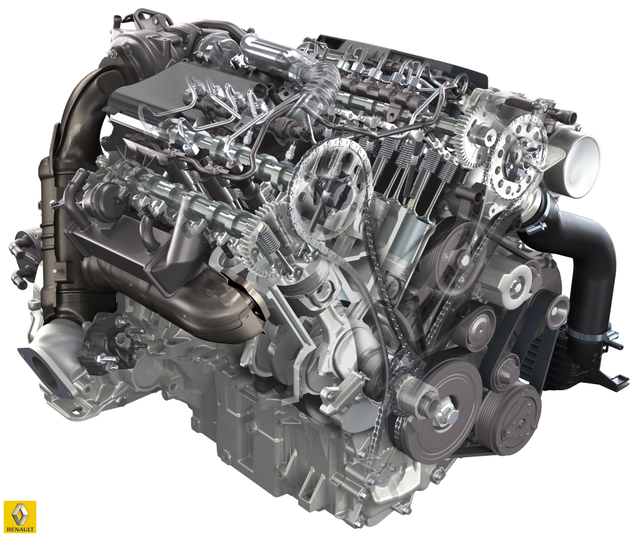
Nissan/Renault unveiled a new Turbo Diesel at the Frankfurt motor show.

renaultv6cdi.png
3.0 litre comon rail V6
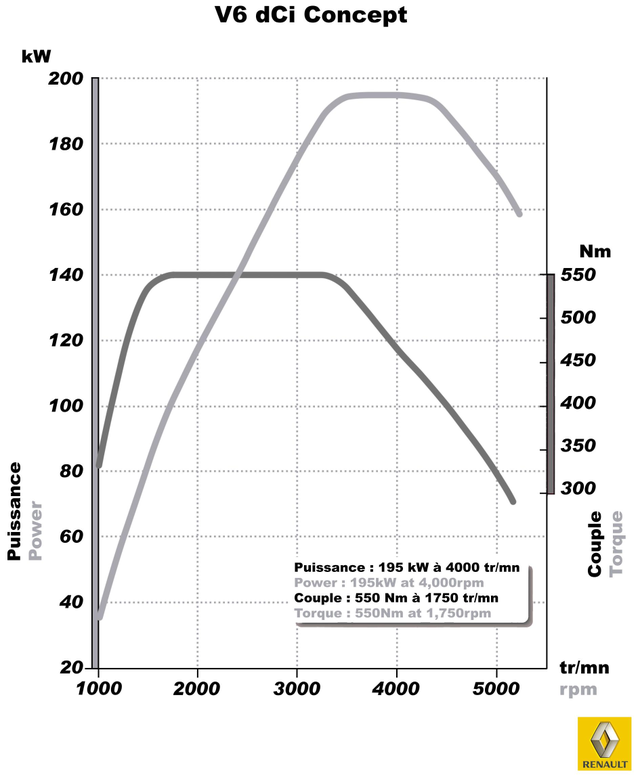
195kw @ 4000rpm
550Nm @ 1750rpm

renaultv6graph.png
It could be on sale by the end of 2008!

The 3.0-liter V6 dCi Concept engine was designed within the Renault-Nissan Alliance with Renault having much of the engineering responsibility and Nissan providing performance target settings and package optimization. The companies will market the engine separately in keeping with the Alliance commitment to maintain each company’s distinct brand identity.

Specifications for the engine to be used in the Maxima have not been fully determined.

The 3.0-liter V6 dCi Concept. The V6 dCi Concept is a preview of a coming new generation of 3.0-liter V6 diesel engines. The new 2,993cc block is derived from the 2.0 dCi engine, with which it shares 25% of its components. The engine develops 195 kW (261 hp) of power and maximum torque of 550 Nm (406 lb ft) at 1,750 rpm with targeted CO2 emissions of less than 200g/km.

The common rail fuel injection system uses two rails pressurized at 1,800 bar which supply 7-hole piezo-electric injectors. This configuration supports up to five injections per cycle. “Ultra-fast” ceramic technology glow plugs enable almost instantaneous preheating and cold starting.
The V6 dCi Concept also includes a variable geometry turbocharger, which generates a high level of torque even at very low revs.

The engine’s air intake ducts have been specially designed to increase combustion speed inside the cylinders by swirling the air in the cylinders—the swirl effect. Cooled EGR (Exhaust Gas Recirculation), which uses a Renault-patented air/water intercooler, contributes to overall environmental performance of the engine.

The architecture of the exhaust manifolds has been designed to limit load losses and ensure that the maximum amount of energy is delivered to the turbine.

The V6 dCi Concept introduces a new NOx trap. Alongside the catalytic converter, this device is located on the exhaust line between the turbocharger and the particulate filter. The engine is also fitted with a maintenance-free, periodic regeneration particulate filter, which operates using a seventh fuel injector located upstream of the filter. Regeneration occurs automatically, with no need for intervention from the user.

Μusashi

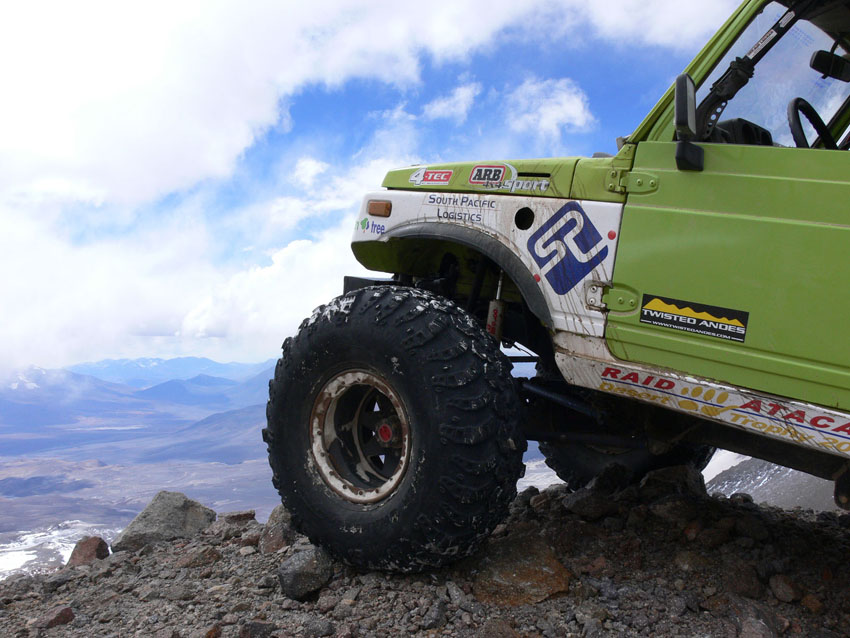
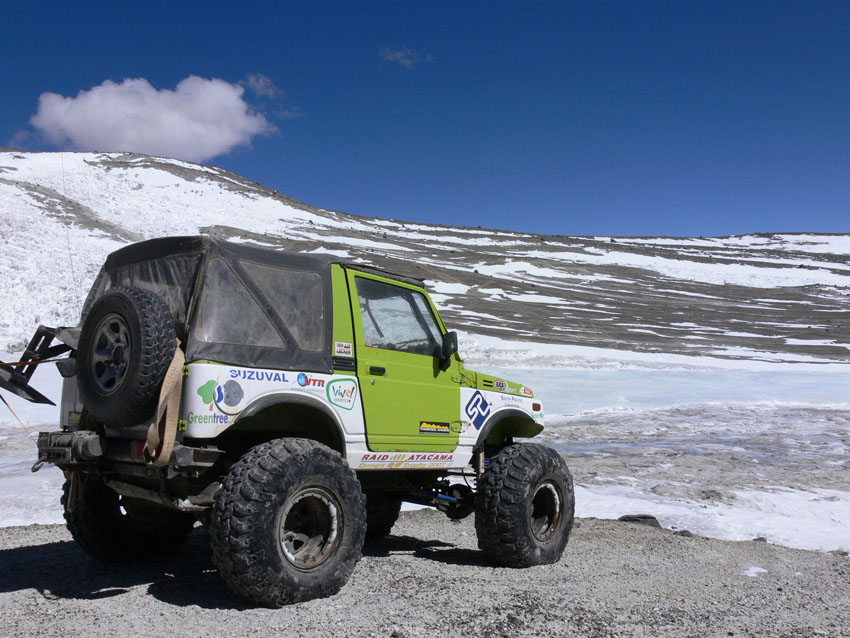
‘Highest Altitude by Car’, New Record, 21.942 ft.

cumbre_37.jpg

The team had three attempts at the record, with the first
try on January 1st 2007, when a sudden and strong snow
storm made it impossible to climb to any reasonable
height. The second try was a month before the final
attempt, and finished when the car caught on fire at
20,731ft due to a fail on a hydraulic reservoir that was
melted because of high exhaust temperatures.
Besides the dizzying heights and lack of oxygen, the
hardest aspect was the variety of terrain that the team
encountered in the volcano; steep climbs, huge rocks,
snow, glaciers and deep sand. According to Gonzalo, the
most difficult section was crossing half a mile on the main
glacier at 21,000ft, because the huge holes in the ice were
covered by new snow, making it impossible to know what
the terrain was like underneath. This meant that mistakes
were simply not an option as they couldn’t risk delaying
or halting the attempt under any circumstances.
This record was the result of almost a year of preparation
and planning. The track was analyzed through maps,
satellite pictures, cartography, and many conversations
with people who had been there on previous car and
climbing expeditions, and knew the volcano. Their rig
was tested on the same Andes Mountain range, but
lower and closer to Santiago, the capital. And everyone
involved had also spent months of hard work personally
preparing for the trip to increase their physical strength
and endurance, ensuring they were ready for the
extreme altitudes ahead.
In comparison to previous expeditions, this journey
was fairly low budget, with sponsorship gained from
a number of companies, along with donations from
friends and relatives, and the team’s own money. With
this limited budget, the expedition had to be developed
without any additional support.
“We were absolutely alone up there,” said Gonzalo
Bravo.
As a reference, the previous record was set by two Jeep
Wranglers with several support vehicles and a full team
of people assisting. The first record was set by Volkswagen
at a cost of €500,000.

lateral_27.jpg

glaciar_26.jpg